
Unhappy with your item? We offer no-quibble free returns

Sourced through ethical and sustainable accreditations

£3.95 standard UK shipping, or free shipping over £20

Every purchase you make supports wildlife
Wildlife pond areas
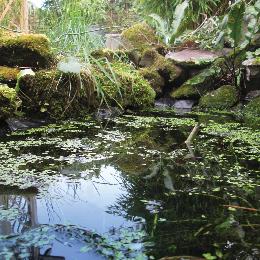
Creating a pond, no matter how small, is one of the best things you can do for garden wildlife. Wildlife ponds support a variety of different species. They offer birds and mammals water to drink and bathe in, and attract frogs, toads and newts, as well as insects. Caddis flies, damselflies, dragonflies, mayflies, pond skaters and water beetles breed in water, and can offer food for many other species, including bats.
Whether your outdoor space is big or small, there are plenty of ways to create wildlife ponds. You can adapt containers to create mini ponds, or use pond liners to create a larger, traditional wildlife pond.

Wildlife pond FAQs
What size pond liner do I need?
Allow the pond's length plus twice its depth, plus about 30cm for the edges, for the liner length, and its width plus twice its depth, plus about 30cm, for the liner width. Our smallest pond liner (2m x 2m) suits a pond of about 0.9m x 0.9m (0.8 square metres) at 40cm deep, and our largest (5m x 4m) suits a pond of about 3.5m x 2.5m (8.8 square metres) at 60cm deep.
How deep should a wildlife pond be?
Keep it shallow, with a deepest point of about 40 to 60cm and gently sloping sides or a beach, so frogs, Hedgehogs and birds can get in and out safely.
What is the best pond liner?
Choose a flexible, durable, non-toxic liner, such as butyl, EPDM or LDPE, laid over a fleece underlay to protect it from stones and roots.
What should I put in a wildlife pond?
Native marginal and oxygenating plants, plus logs, stones and gravel for cover and easy access. You can even add a solar fountain for a decorative display.
How do I keep a wildlife pond healthy?
Use rainwater where you can, as tap water feeds algae. Collect it from a roof in a water butt, ideally a couple of months before you dig, and use it to fill and top up the pond. Filling a pond may take longer than you think. If you use tap water, let it stand for a few days first. Do not add fish, which eat tadpoles and insects. A good mix of native plants keeps algae in check.